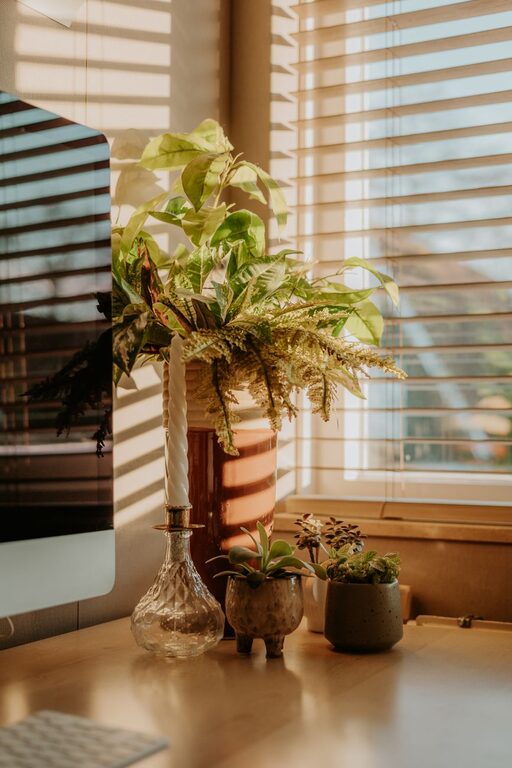
Creating a cozy and inviting home office space is essential for anyone who works from home or spends a significant amount of time on personal projects. A well-designed workspace can improve focus, boost creativity, and make long hours more enjoyable. Whether you have a dedicated room or just a small corner, you can transform it into a comfortable and inspiring area with a few thoughtful touches.
In this post, we’ll explore practical tips for turning your home office into a space where you feel relaxed, motivated, and productive.
1. Choose the Right Location
The first step is picking the best spot in your home for your office. Consider these factors:
– Natural Light: Choose a place near windows to take advantage of daylight. Natural light has been shown to improve mood and reduce eye strain.
– Quiet Area: Find a space away from high-traffic zones to minimize distractions.
– Ventilation: Good airflow makes the environment comfortable and fresh.
Even if space is limited, you can create a cozy nook near a window or beside a bookshelf.
2. Invest in Comfortable Furniture
Comfort is key in a home office. Since you may spend several hours at your desk, ergonomic furniture can help prevent discomfort and fatigue.
– Ergonomic Chair: Select a chair with adjustable height, lumbar support, and comfortable cushioning.
– Desk: Choose a desk that fits your space and provides enough surface area for your computer, supplies, and any other essentials.
– Alternative Seating: Consider an ottoman or a small couch for reading or brainstorming sessions.
Comfortable furniture encourages good posture and reduces strain, making your work time more pleasant.
3. Organize with Smart Storage Solutions
Clutter can quickly make a space feel chaotic and stressful. Using smart storage ideas helps keep your office tidy and inviting.
– Shelves: Wall-mounted shelves free up floor space and keep books or decor within reach.
– Drawers and Cabinets: Use for storing paperwork, gadgets, and supplies.
– Desk Organizers: Keep pens, notebooks, and chargers neatly arranged.
A neat and organized area promotes focus and efficiency.
4. Use Soothing Colors and Textures
The colors and textures in your office can significantly impact your mood and concentration.
– Color Palette: Choose calming hues like soft blues, greens, or neutrals. These colors are gentle on the eyes and create a peaceful atmosphere.
– Textures: Add warmth and coziness with textiles such as a soft rug, curtains, or cushions.
– Personal Touches: Incorporate objects that reflect your personality—a favorite piece of art, photos, or plants.
Creating a visually pleasing environment helps make your office feel welcoming and helps reduce stress.
5. Incorporate Greenery
Plants bring life and color into any room and can improve air quality.
– Easy-Care Plants: Opt for low-maintenance varieties like succulents, snake plants, or pothos.
– Desk Plants: Small pots on your desk brighten up your immediate workspace.
– Larger Plants: Place bigger plants or a vertical garden in nearby corners for an extra touch of nature.
Greenery creates a calming environment and can boost creativity.
6. Optimize Lighting
Good lighting is crucial for a comfortable and productive home office.
– Layered Lighting: Combine natural light with ambient, task, and accent lighting.
– Desk Lamp: A focused lamp helps reduce eye strain during detailed work.
– Dimmers: Consider adjustable lighting to set the mood depending on your activity.
Proper lighting improves visibility and reduces fatigue.
7. Minimize Distractions
Design your space to help you stay focused.
– Noise Control: Use rugs, curtains, or acoustic panels to absorb sound.
– Tech Organization: Hide cables and chargers to keep surfaces clean.
– Dedicated Work Area: If possible, separate your work zone from living areas.
Creating a distraction-free zone helps maintain concentration throughout the day.
8. Personalize Your Space
A home office should feel like your own and inspire you to keep creating.
– Inspiring Artwork: Display images or quotes that motivate you.
– Memorabilia: Personal mementos can boost your mood.
– Favorite Scents: Use a diffuser with calming aromas like lavender or peppermint.
Personal touches make the space more inviting and enjoyable.
9. Keep It Flexible
Your work needs may change, so designing a flexible home office can be very helpful.
– Multi-Purpose Furniture: Consider a foldable desk or movable storage.
– Adaptable Spaces: Use dividers or curtains to separate areas when needed.
– Whiteboard or Corkboard: Keep a board for notes and ideas that can easily be updated.
A versatile setup allows you to adjust as your tasks and routines evolve.
—
With these tips, you can create a home office that’s not just functional but also a comfortable retreat that reflects your style. Remember, the key to a cozy and inviting workspace is balancing practicality with personal comfort. Happy decorating!