Creating a relaxing home office environment is key to staying productive and motivated while working from home. When your workspace is calm and comfortable, it’s easier to focus, avoid distractions, and maintain a healthy work-life balance. Whether you’re setting up your first home office or looking to improve your existing space, these tips can help you design a work area that supports both your professional tasks and your well-being.
Why a Relaxing Home Office Matters
A home office isn’t just about having a desk and a computer—it’s a space that can greatly influence your mood, energy, and efficiency. A cluttered or uncomfortable workspace can increase stress and reduce concentration, leading to lower productivity. On the other hand, a thoughtfully organized, calming environment can improve your focus, creativity, and overall job satisfaction.
Key Elements of a Relaxing Home Office
1. Choose the Right Location
Selecting a quiet and well-lit area is the foundation of a relaxing home office. Here are some tips:
– Pick a space away from household noise, such as a spare room, a corner in the bedroom, or a seldom-used dining area.
– Ensure there’s enough natural light; windows with a view can provide a sense of openness and reduce eye strain.
– If natural light is limited, invest in good quality task lighting and consider bulbs that mimic daylight.
2. Invest in Comfortable Furniture
Comfort helps maintain focus for longer periods. Think about:
– An ergonomic chair that supports your back and encourages good posture.
– A desk at the correct height to prevent strain on your shoulders and wrists.
– Adjustable furniture options, such as standing desks, if you prefer alternating positions throughout the day.
3. Declutter and Organize
A tidy workspace promotes calmness and efficiency. Consider:
– Using storage solutions like shelves, desk organizers, and filing cabinets to keep supplies out of sight.
– Adopting a minimalistic approach where only essentials are on your desk.
– Scheduling regular clean-up sessions to maintain order.
4. Incorporate Soothing Colors
Color impacts mood, so choose calming tones for your home office:
– Soft blues, greens, or neutrals can create a peaceful atmosphere.
– Avoid overly bright or harsh colors that might increase anxiety or distraction.
– Use accent pieces or artwork in colors that inspire you.
5. Add Personal Touches
Personal items make the space inviting and pleasant to spend time in:
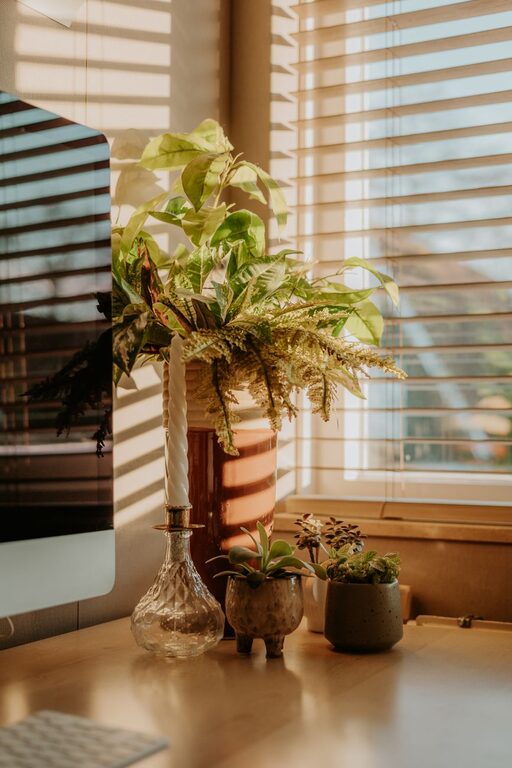
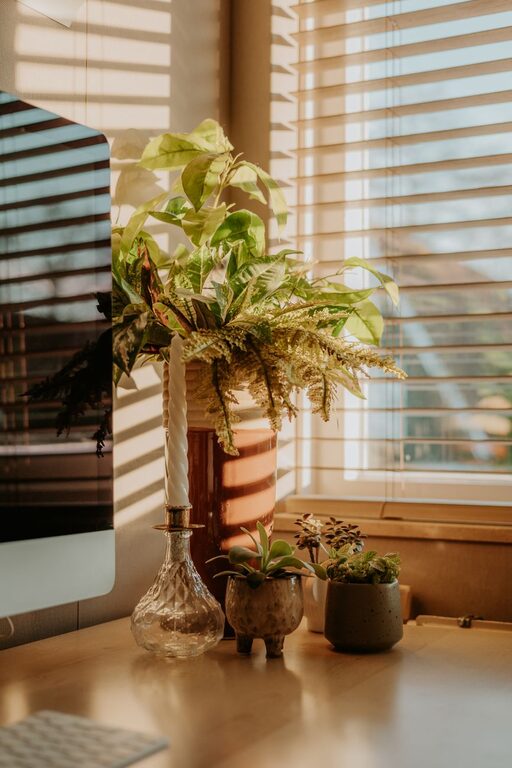
– Include plants; they improve air quality and bring a touch of nature indoors.
– Display meaningful photos, motivational quotes, or art.
– Use cushions, rugs, or curtains to add warmth and texture.
6. Minimize Distractions
Keeping interruptions to a minimum helps maintain a productive workflow:
– Inform family members or roommates about your work schedule.
– Use noise-canceling headphones if background noises are unavoidable.
– Turn off unnecessary notifications on your computer and phone during work hours.
7. Optimize Technology Setup
A well-organized tech setup reduces frustration:
– Position your monitor at eye level to avoid neck strain.
– Use cable organizers to keep cords tidy and out of the way.
– Have all necessary accessories within reach, such as a mouse, keyboard, and chargers.
8. Incorporate Relaxation Techniques
Include elements in your office space that help you recharge:
– Keep a water bottle handy to stay hydrated.
– Incorporate a small diffuser with calming essential oils like lavender or eucalyptus.
– Take short breaks with stretching exercises or deep breathing to reset your focus.
9. Manage Lighting Effectively
Proper lighting reduces fatigue and enhances mood:
– Combine natural and artificial lighting sources.
– Use adjustable desk lamps to direct light where you need it most.
– Avoid glare on screens by positioning your desk and monitor thoughtfully.
10. Establish a Routine
Your environment can support a healthy work routine:
– Create a designated “start work” ritual, like brewing a cup of tea or tidying your desk.
– Maintain regular working hours to differentiate work time from personal time.
– End your day by organizing your desk for the next morning.
Final Thoughts
Transforming your home office into a relaxing, inviting space doesn’t require a complete overhaul. Small adjustments to your workspace’s location, furniture, lighting, and décor can make a big difference in your concentration and comfort. By prioritizing calmness and functionality, you’ll create an environment that not only boosts productivity but also contributes positively to your well-being.
Remember to tailor your home office to your personal preferences and needs, as the most effective space is one that feels right to you. With a bit of effort and thoughtful design, your home office can become a productive haven that supports your professional success.